
"Wamena estate"
50 article(s) found

What is the market of Sidamo Huakui coffee beans? which brand of Sidamo coffee is better?
For the exchange of professional baristas, please follow the coffee workshop (Wechat official account cafe_style) Ethiopian Sidamo Shakisso Natural country: Ethiopia: Guji region altitude: 2250-2350 treatment: sun varieties: local native species Heirloom producer: local smallholder flavor: passion fruit, rose flavor, strawberry jam coffee style in Sidamo

Sidamo Sakuran correctly drinks the price of French Sakuran coffee beans
For the exchange of professional baristas, please follow the coffee workshop (Wechat official account cafe_style) Sakui processing plant is located in buku abel village, 2200 meters above sea level. From the beginning of cultivation, it has been chosen as a noble family environment-humus-rich reddish brown soil, and given shade and care to Enset tree species, so that Sakui can receive sufficient sunlight and produce rich flavor without consuming too much nutrients.

How did Sidamo Sakui Coffee come from? how do you grade Sidamo coffee beans?
Communication of professional baristas Please pay attention to Coffee Workshop (Wechat official account cafe_style) Coffee in Sidamo is very diverse in flavor, because different soil ingredients, regional microclimate and countless native coffee varieties make the coffee produced in each town area have obvious differences and characteristics. The Sidamo producing area (Sidama) is located in southern Ethiopia. The industry here is based on agriculture.

Essex Dama Sunshine Sakuran Sidamo Gucci boutique coffee beans, brand recommendation and manor
For the exchange of professional baristas, please follow the coffee workshop (Wechat official account cafe_style) Hambella is located in GUJI, the largest coffee producing area in Ethiopia, and the administration is subordinate to the state of Oromia. The west of Hambella is across the mountain from kochore. The two producing areas are separated by a highland with an elevation of 3200 meters above sea level and a width of about 30 kilometers.

Sidamo Sakui hand data how to drink Sidamo Sakui coffee
For the exchange of professional baristas, please follow the Sakuran hand made by the coffee workshop (Wechat official account cafe_style). 15g powder, medium fineness grinding (small Fuji ghost tooth cutter 3.5grinding), v60 filter cup, 9193 degrees water temperature, 30g water injection for the first time, steaming for 27 seconds, water injection to 105g water cut off, wait for the water volume of powder bed to be reduced to half and then water injection, slow water injection until 225g water, do not use water at the end.

Sidamo Huakui Coffee producing area introduces how to brew Sidamo Coffee
For the exchange of professional baristas, please follow the Sakuran hand made by the coffee workshop (Wechat official account cafe_style). 15g powder, medium fineness grinding (small Fuji ghost tooth cutter 3.5grinding), v60 filter cup, 9193 degrees water temperature, 30g water injection for the first time, steaming for 27 seconds, water injection to 105g water cut off, wait for the water volume of powder bed to be reduced to half and then water injection, slow water injection until 225g water, do not use water at the end.

Flavor and taste characteristics of Ethiopian Sidamo coffee bean Sidamo Guji Huakui coffee bean
Professional barista exchanges please follow the coffee workshop (Wechat official account cafe_style) award-winning cup flavor test: passion fruit, rose fragrance, strawberry jam, sweet and sour berries, peach pulp, black tea rhyme 2016 / 2017 Ethiopia National Taste of Harvest Competition Ethiopia National Taste of Harvest Competition 2016 / 2017 harvest season Ethiopian coffee competition champion 2017

Essex Damo Sunshine Sakuran Sidamo Gucci boutique coffee beans grading, price, raw beans and roasting
Professional baristas please pay attention to the coffee workshop (Wechat official account cafe_style). In order to prevent sudden rain at night, it will be wrapped in thick plastic sheeting. In this way, the red fruit is fermented and dehydrated at a lower temperature. After 18 days of sun treatment, the moisture content of raw coffee beans is reduced to about 13%. Stop the sun treatment and put it in a sack at 12-22 degrees Celsius and 40-50% humidity.

Flavor characteristics, producing areas and brewing ginseng of Sidamo Guji boutique coffee beans in Dharma, Essex
For the exchange of professional baristas, please follow the coffee workshop (Wechat official account cafe_style) Sakui processing plant is located in buku abel village, 2200 meters above sea level. From the beginning of cultivation, it has been chosen as a noble family environment-humus-rich reddish brown soil, and given shade and care to Enset tree species, so that Sakui can receive sufficient sunlight and produce rich flavor without consuming too much nutrients.

What's so special about Huakui Coffee, which is better than Rosa Coffee? it's better than Rose Summer.
Professional coffee knowledge exchange more coffee bean information Please pay attention to Coffee Workshop (Wechat official account cafe_style) Sakui coffee in Xidamo is very diverse in flavor, because different soil ingredients, regional microclimate and countless native coffee varieties make the coffee produced in each town area have obvious differences and characteristics. Sidamo production area (Sidama) is located in Ethiopia

Sakui Coffee siphon Pot Mocha Kettle Grinding degree of Philharmonic pressure how best to make Sakui coffee
Professional coffee knowledge exchange more coffee bean information please pay attention to coffee workshop (Wechat official account cafe_style) hand-made Huakui 15g powder, medium fineness grinding (small Fuji ghost tooth knife 3.5grinding), v60 filter cup, 9193 degrees water temperature, the first water injection 30g water, for 27 seconds steaming, injection to 105g water cut off, wait for the powder bed water to half and then water injection, slow water injection straight
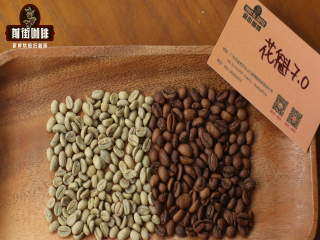
Introduction to the flavor and taste of Xidama Sun Huakui 7.0 Coffee Bean Humbela Sakui Coffee in the new season
Huakui coffee beans have been deeply concerned by domestic coffee practitioners and enthusiasts. The whole coffee circle has been discussed before the new season Sakuran coffee beans arrive in Hong Kong every year. Everyone hopes that the new year's Huakui coffee will still be as sweet as strawberries and smooth as cream. And Sakui 7.0 in the latest season

What kind of utensils are suitable for brewing Humbera Coffee beans? description of the characteristics and flavor of Hambela Huakui 6.0 coffee story
Professional Coffee knowledge Exchange for more information on coffee beans, please refer to the coffee workshop (Wechat official account cafe_style) EthiopianSidamoShakissoNatural Sakui Coffee beans 01 | brief introduction of Sakui Coffee Bean producing areas Hambella.

How many coffee producing areas are there in Indonesia? What is the variety of Indonesian coffee beans? Is there any way to treat raw beans?
Professional coffee knowledge exchange more coffee bean information please follow the coffee workshop (Wechat official account cafe_style) how many coffee producing areas are there in Indonesia? What is the variety of Indonesian coffee beans? Is there any way to deal with raw beans? Indonesia exported 300000 tons last year, making it the fourth largest coffee producer in the world. About 75000 tons are Arabica coffee. These coffees are 90%

Indonesian coffee? What coffee regions are there in Indonesia?
Professional coffee knowledge exchange More coffee bean information Please pay attention to coffee workshop (Weixin Official Accounts cafe_style) In the mid-17th century, coffee trees were introduced to Indonesia by the Dutch (some official sources believe that earlier than this). 1712 The first coffee from Java arrives in Amsterdam. Indonesia exported 300,000 tons last year, making it the fourth largest producer of coffee in the world.

What brand of Indonesian coffee is good? Coffee in Indonesia
Professional coffee knowledge exchange More coffee bean information Please pay attention to coffee workshop (Weixin Official Accounts cafe_style) In the mid-17th century, coffee trees were introduced to Indonesia by the Dutch (some official data believe that it was earlier than this). 1712 The first coffee from Java arrives in Amsterdam. Indonesia exported 300,000 tons of coffee last year, the fourth largest in the world.

How do you like the coffee beans?
Professional coffee knowledge exchange More coffee bean information Please pay attention to coffee workshop (Weixin Official Accounts cafe_style) Ethiopian Sidamo Shakisso Natural Flower name: Ethiopia Sunlight Sidamo G1 Flower Ethiopian Sidamo Shakisso Natural Coffee country: Africa, Ethiopia, coffee estate: Guji ancient
Species characteristics of coffee beans from Sumatra, Indonesia, planting areas and treatment methods of Mantenin coffee beans
Professional Coffee knowledge Exchange more information on coffee beans Please follow the Coffee Workshop (official Wechat account cafe_style) Coffee trees were introduced to Indonesia by the Dutch in the mid-17th century (some official sources believe that earlier). The first batch of coffee from Java was sold to Amsterdam in 1712. Indonesia exported 300000 tons last year, making it the fourth largest coffee producer in the world.

Which brand of Indonesian coffee tastes good? What brand of coffee beans do you buy in Indonesia?
Professional coffee knowledge exchange more coffee bean information please follow coffee workshop (Wechat official account cafe_style) Indonesia is the largest coffee producer in Asia and the fourth largest coffee producer in the world. For Indonesians, drinking coffee is as common as drinking tea in China. Coffee trees were introduced to Indonesia by the Dutch in the mid-17th century (some official figures believe it was earlier). 1712

A brief introduction to Indonesian Coffee | recommended by Indonesian coffee beans. How much is Indonesian coffee beans?
Professional Coffee knowledge Exchange more information on coffee beans Please follow the Coffee Workshop (official Wechat account cafe_style) Coffee trees were introduced to Indonesia by the Dutch in the mid-17th century (some official sources believe that earlier). The first batch of coffee from Java was sold to Amsterdam in 1712. Indonesia exported 300000 tons last year, making it the fourth largest coffee producer in the world.